Carbon Held in Beauty: Surfaces That Give Back to the Planet

Today we explore carbon-negative surface finishes for luxury hospitality interiors, revealing how refined texture, enduring performance, and meticulous certification can actively store more carbon than they emit. From biogenic binders to mineralized coatings, these materials elevate atmosphere, wellbeing, and brand value while verifiably improving environmental impact. Expect practical guidance, evidence-based standards, and sensory inspiration designed for suites, lobbies, spas, and restaurants that welcome discerning guests seeking genuine elegance with measurable climate benefits.

Redefining Luxury with Negative Carbon Beauty

Luxury now includes quiet climate intelligence woven into every surface guests touch. Carbon-negative finishes achieve net storage by sequestering biogenic carbon or mineralizing captured CO2, verified through life cycle assessment and rigorous documentation. Beyond numbers, they create emotional resonance: calmer acoustics, warmer tactility, and narratives of stewardship. Hospitality leaders can enhance RevPAR, strengthen brand equity, and meet evolving regulations while delivering restorative spaces that feel unmistakably premium and genuinely considerate of tomorrow’s world.

Decoding What Negative Carbon Means Indoors

Negative carbon indicates that, cradle-to-gate or across agreed boundaries, the material stores more carbon than it releases, often through bio-based content or mineralization processes. Credible claims rely on third-party verified LCAs, clear system boundaries, and conservatively modeled end-of-life scenarios. When paired with low-VOC chemistry, durable topcoats, and ethical sourcing, designers gain a trustworthy foundation for specifications that balance performance, aesthetics, and climate responsibility without compromising the guest experience.

Signals Discerning Guests Instantly Notice

Guests respond to atmosphere before data: the soft matte of handcrafted plaster, a gentle scent from plant oils, or the hush created by porous textures. Discreet signage and QR-enabled material passports transform curiosity into appreciation, inviting guests to explore provenance, certifications, and maintenance rituals. Stories of farmers, artisans, and engineers become a thoughtful conversation at check-in or turndown, reinforcing a sense of care that extends far beyond the visual feast of a striking lobby.

The Business Upside Behind Elegant Materials

High-occupancy spaces demand finishes that reduce downtime, retain beauty, and lower operational costs. Carbon-negative surfaces can deliver competitive total cost of ownership through durable formulations, serviceable coatings, and streamlined maintenance. They strengthen sustainability narratives for corporate travel buyers, elevate ESG reporting, and unlock green financing pathways. When management aligns procurement, engineering, and housekeeping around verifiable performance, the result is a guest journey that feels elevated and a balance sheet that reflects strategic, responsible investment.

Nature-Engineered Surfaces That Store Carbon

{{SECTION_SUBTITLE}}
Bio-Based Binders That Perform Under Pressure

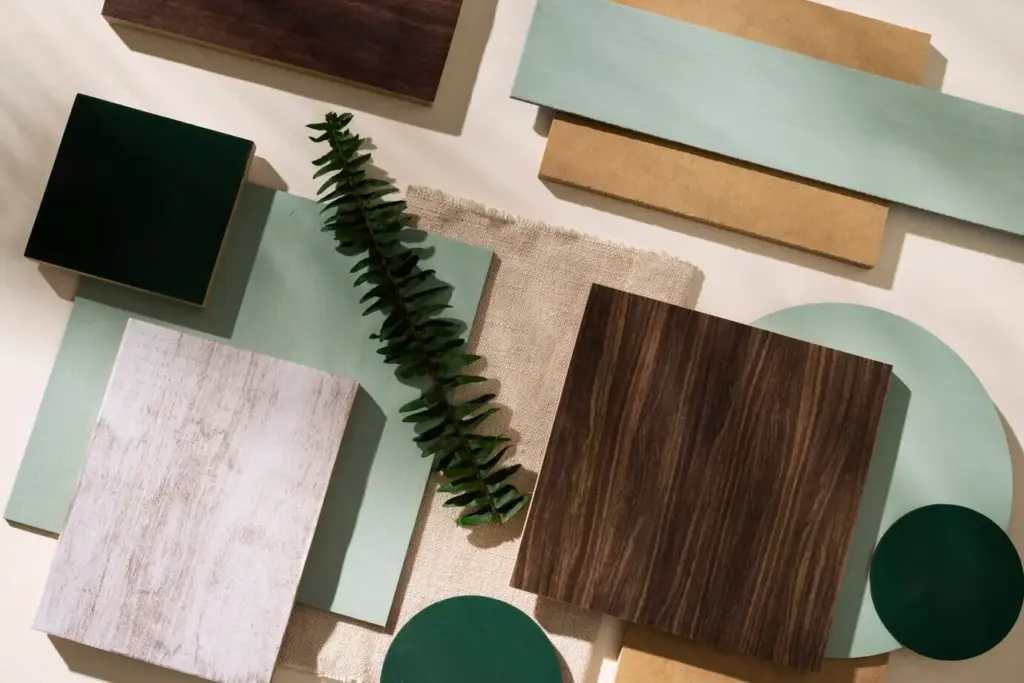
Advanced binders derived from lignin, hemicellulose, natural latex, or algae-based polymers bring resilient film formation with dramatically reduced petrochemical content. When crosslinked responsibly, they resist moisture cycling, cleaning agents, and ultraviolet exposure. These chemistry choices support hospitality demands across guest rooms, corridors, and spa zones. Proper curing schedules, substrate preparation, and compatible primers secure adhesion, while third-party VOC testing ensures indoor air quality that supports restful sleep, vibrant social spaces, and confident operational teams.

Intelligent Fillers and Aggregates for Depth

Biochar, cork dust, hemp hurd, and rice husk create visual depth and lightweight strength while storing biogenic carbon. Recycled glass and pre-consumer mineral fines add sparkle, compressive capacity, and resilient sheen when polished. Designers can calibrate ratios to achieve soft light diffusion or jewel-like highlights. For millwork and wall systems, these aggregates build tactile narratives under fingertips, inviting touch while supporting circularity. Consistent gradation, moisture content control, and quality screening prevent defects and ensure repeatable beauty.

Tactility, Light, and the Quiet Drama of Low-Impact Craft
Palette and Texture for Distinctive Atmospheres

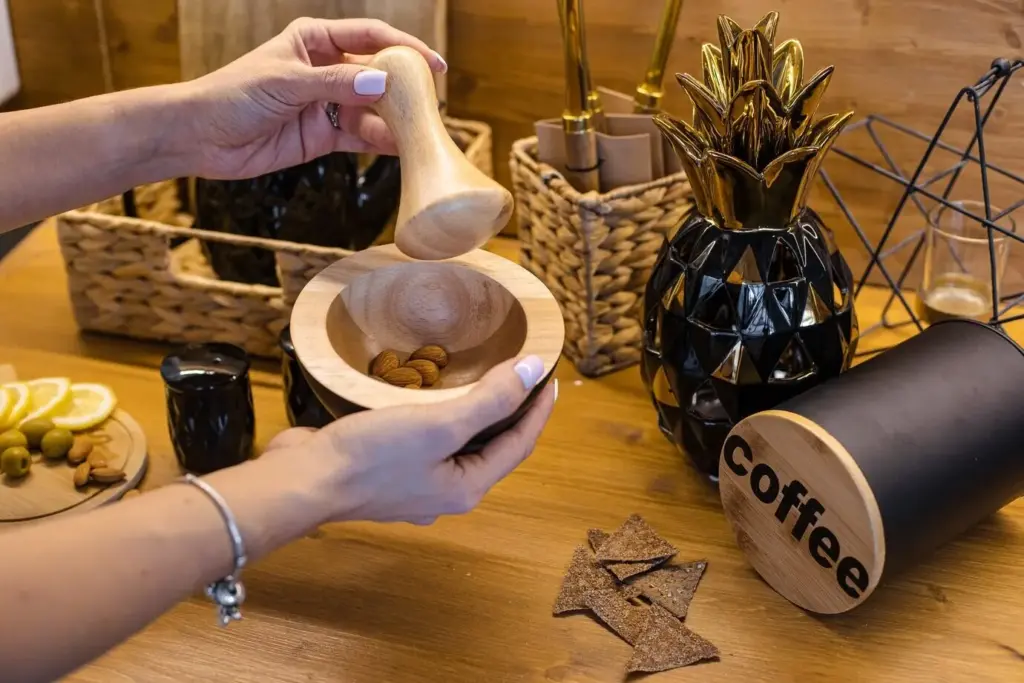
In a coastal resort, mineralized plaster tinted with seashell undertones diffuses morning light; in an urban lounge, biochar terrazzo anchors the space with midnight depth. Designers can warm lobbies using plant-oil waxes that impart hand-rubbed sheen and gentle fragrance. Textures invite touch without collecting dust, balancing maintenance and intimacy. By referencing regional geology and culture, these materials create place-specific resonance that guests remember long after checkout, linking aesthetic delight with responsible material intelligence.

Lighting Strategies for Depth and Sheen

In a coastal resort, mineralized plaster tinted with seashell undertones diffuses morning light; in an urban lounge, biochar terrazzo anchors the space with midnight depth. Designers can warm lobbies using plant-oil waxes that impart hand-rubbed sheen and gentle fragrance. Textures invite touch without collecting dust, balancing maintenance and intimacy. By referencing regional geology and culture, these materials create place-specific resonance that guests remember long after checkout, linking aesthetic delight with responsible material intelligence.

Acoustic Comfort Without Visual Compromise

In a coastal resort, mineralized plaster tinted with seashell undertones diffuses morning light; in an urban lounge, biochar terrazzo anchors the space with midnight depth. Designers can warm lobbies using plant-oil waxes that impart hand-rubbed sheen and gentle fragrance. Textures invite touch without collecting dust, balancing maintenance and intimacy. By referencing regional geology and culture, these materials create place-specific resonance that guests remember long after checkout, linking aesthetic delight with responsible material intelligence.

Abrasion, Impact, and High-Traffic Readiness

Taber abrasion, falling ball impact, and micro-scratch metrics help compare options for corridors, elevators, and reception zones. Dense topcoats derived from plant oils or bio-based polyurethanes resist scuffing while maintaining warm touch. Corner guards, base profiles, and thoughtful transitions extend service life in luggage-heavy areas. Documenting results within the submittal package equips teams to make confident choices and reduces replacement frequency, protecting carbon gains, budgets, and guest satisfaction as seasons turn and footfall grows.

Stain, Moisture, and Hygiene in Wet Zones

Bars, spas, and restrooms demand water tolerance and stain control. Hydrophobic additives, breathable sealers, and mineral-rich plasters balance vapor permeability with splash resistance. Specify cleaners that avoid harsh solvents, preserving low-VOC integrity and color depth. Training housekeeping in dwell-time, dilution, and pad selection prevents shine burnishing on matte finishes. Samples tested against coffee, wine, sunscreen, and disinfectants provide confidence. The outcome is spotless elegance that survives high use without sacrificing carbon benefits or indoor air quality.

Fire Safety and Healthy Air as Baselines

Hospitality interiors require verified fire classifications, smoke development limits, and minimal emissions. Seek Class A or EN 13501-1 performance for wall systems, and demand independent VOC certifications for all coatings, adhesives, and sealers. Formaldehyde-free assemblies and low-odor curing protect staff and guests. Early coordination with authorities and insurers streamlines approvals, while mockups validate real-world behavior. When safety and health are baked into every layer, sustainable beauty becomes a dependable operational standard, not an experimental flourish.

Built to Endure: Testing, Cleaning, and Renewal

Longevity is essential to genuine sustainability. Carbon-negative surfaces must withstand luggage scuffs, rolling carts, housekeeping routines, and occasional mishaps. Specifiers should insist on abrasion ratings, impact testing, stain resistance, and compatible cleaning chemistry. Maintenance plans detail microfiber protocols, pH-neutral products, and periodic rejuvenation coats. When refurbishment is required, demountable elements and repairable finishes preserve embodied carbon. Together, testing and operational discipline ensure spaces remain luminous, hygienic, and operationally efficient through countless guest stays and seasonal cycles.

Certifications and Documents That Matter

Prioritize third-party verified LCAs and EPDs that define system boundaries and biogenic accounting. Ingredient transparency via Declare or HPDs builds trust, while FSC or PEFC supports responsible wood components. Where relevant, ISO 14067 and credible carbon accounting frameworks clarify claims. A concise submittal checklist streamlines review: certificates, test results, maintenance guides, and disposal pathways. With clear evidence, teams reduce risk, align stakeholders, and secure brand credibility that endures long after the ribbon is cut.

Contracts, Warranties, and Operations Alignment

Performance specifications should include abrasion thresholds, stain resistance, fire ratings, and emissions limits, supported by warranty triggers and service-level expectations. Pre-construction meetings align general contractors, installers, and housekeeping on curing windows, protection protocols, and mockup approvals. Operations manuals translate sustainability into daily routines, ensuring cleaners, pads, and touch-up materials stay compatible. When legal clarity meets operational literacy, the project avoids costly rework, and the carbon-negative promise remains intact throughout the property lifecycle.

Stories from Suites and Lobbies
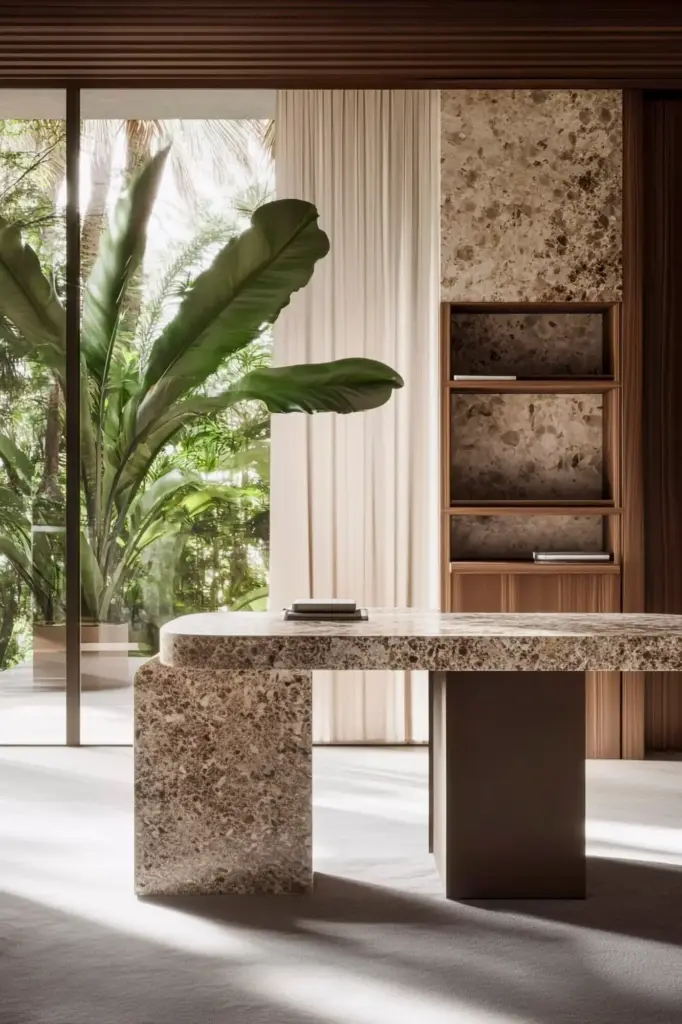
Case moments illuminate how carbon-negative finishes elevate hospitality. A mountainside spa seeks tranquility with mineral plasters and timber accents. A desert retreat cools daytime heat with breathable, CO2-bound walls. A city bar glows under statement lighting, its terrazzo floor quietly storing carbon. Each narrative blends tactile luxury, maintenance practicality, and documented impact, offering teams a library of tested moves that guests can feel instantly and remember fondly, reshaping expectations of modern indulgence.

Join the Circle: Guests, Teams, and the Next Project

Carbon-negative finishes are an invitation to collaborate. Share material stories at check-in, align staff through training, and close the loop with measurable outcomes. Publish before-and-after indoor air tests, track maintenance savings, and celebrate local supply partnerships. Explore upcoming innovations like algae-derived enamels, DAC-based aggregates, and digital product passports. Subscribe for deep dives, ask questions, and propose case studies. Together we refine a hospitality language where beauty holds carbon, service feels effortless, and progress is delightfully tangible.
Verotefumopizomavari
Privacy Overview

This website uses cookies so that we can provide you with the best user experience possible. Cookie information is stored in your browser and performs functions such as recognising you when you return to our website and helping our team to understand which sections of the website you find most interesting and useful.